
Change is not a business event.
It’s a human experience.
Most change does not fail because organisations lack strategy, tools, or intent.
It fails because people lack the capacity to absorb and sustain change under pressure.
That’s not resistance. That’s human.
32%
of business leaders report healthy change adoption by employees.
(Gartner — “Adopting Change in the Workplace”)
79%
of employees report low trust in their organisation’s ability to manage change effectively.
(Gartner, HR Change & Employee Experience research)
2x
higher year-over-year revenue growth in organisations with stronger change adoption.
(Gartner — Change Adoption & Business Performance)
THE DATA IS CLEAR.
CHANGE ISN'T STICKING.
Despite organisations spending billions globally on change management, success rates remain modest when the human side is not addressed. (BCG; McKinsey)
The problem isn’t a lack of frameworks, plans, or communication.
It’s the human cost of sustained change — carried quietly by leaders and teams.
And when pressure rises, people don’t resist change — they revert to familiar patterns that feel safe in the moment.

WHAT MOST LEADERS MISS
Change doesn’t fail because people don’t care.
It falters because pressure changes how people think, feel, and behave.
Under sustained change, even capable, committed people begin to:
→ grip more tightly or try to control outcomes
→ avoid difficult conversations or decisions
→ default to familiar habits that once worked
→ overwork, disengage, or withdraw under pressure
→ comply on the surface while resisting underneath
These aren’t character flaws.
They’re predictable human responses to uncertainty and threat.
Most change efforts respond by adding:
→ more communication
→ more urgency
→ more accountability
But without increasing human capacity, this often amplifies the pressure rather than easing it.
To understand why this happens — and how to change it —
we need to look at what’s happening inside the mind under pressure.
WHAT’S REALLY HAPPENING
INSIDE THE MIND DURING CHange
Change is experienced strategically —
but it’s processed neurologically.
When uncertainty rises, the mind doesn’t default to logic or collaboration.
It defaults to protection.
Saboteurs
In the Positive Intelligence® framework, these automatic protective patterns are called Saboteurs.
Saboteurs are habitual mental responses developed early in life to keep us safe.
Under pressure, they become louder — and start running behaviour.
They show up as inner voices that feel protective in the moment, but often undermine performance, wellbeing, and relationships.
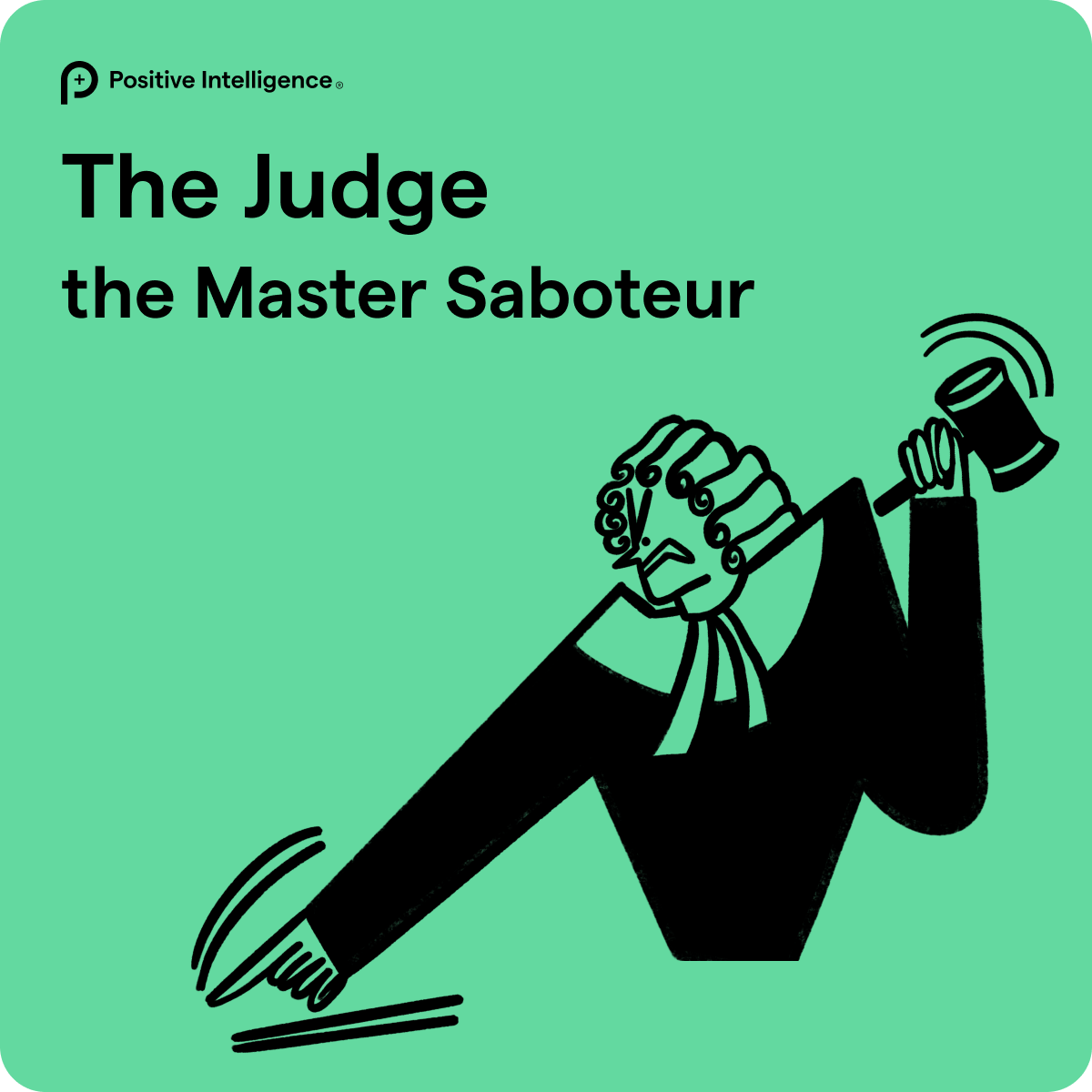
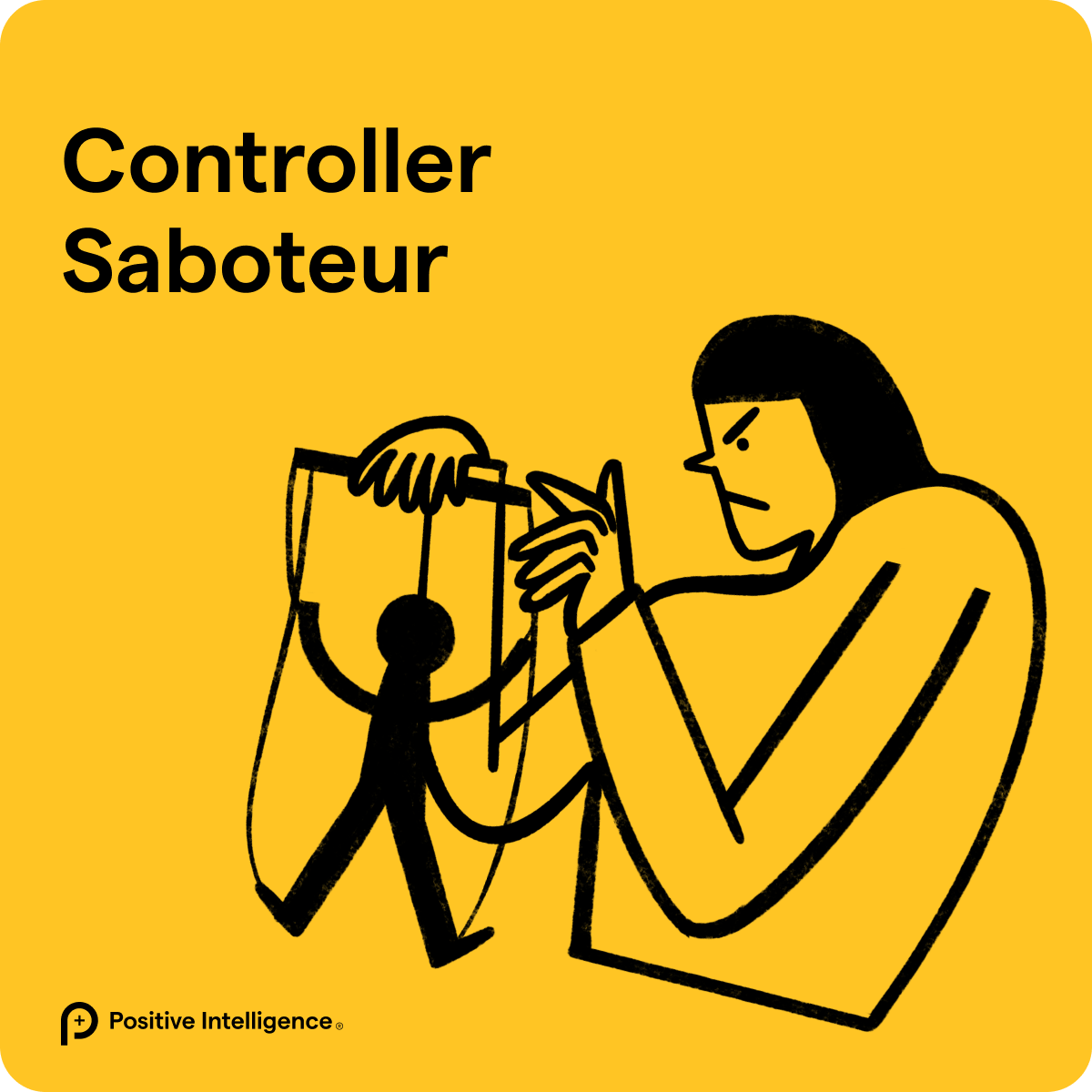
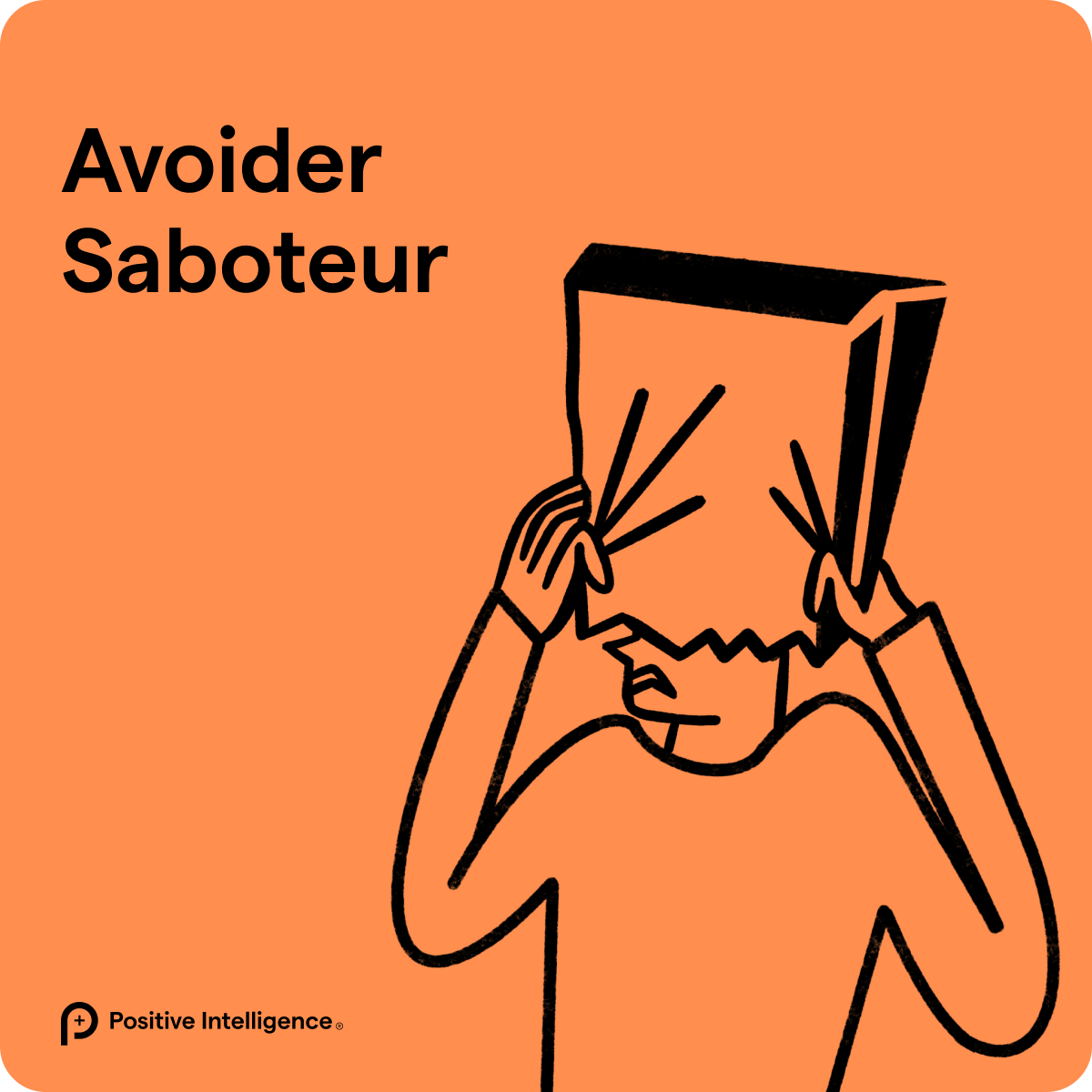
How Saboteurs show up during change
Under sustained change, Saboteurs commonly appear as:
Judge — increased criticism of self, others, and circumstances
Avoider — avoiding difficult conversations or decisions
Controller — gripping tighter, struggling to trust others
Hyper-Achiever — overworking and tying self-worth to results, leading to burnout
These patterns increase stress and resistance, slowing change adoption.
The Shift
The alternative is the Sage — the part of the brain that responds with calm, empathy, curiosity, perspective, and clear decision-making, even under pressure.
Mental fitness training strengthens the Sage and reduces the influence of Saboteurs.
That shift — not the absence of pressure — is what enables successful change adoption.
Mental Fitness
Positive Intelligence® (PQ) is the operating system.
Mental fitness is the discipline.
PQ explains how the mind is wired to respond under pressure.
Mental fitness is the trainable capability that strengthens the PQ operating system over time.
Through simple, consistent practices, people learn to:
;→ notice when Saboteurs are running the show
→ interrupt those automatic mental patterns
→ activate Sage responses instead
Over time, this builds new neural pathways — making Sage-led responses the default, not the exception.
Why this matters for change
Most change programmes focus on plans, structures, and communication.
Mental fitness focuses on capacity.
Because change doesn’t fail due to a lack of strategy —
it fails when people are asked to carry sustained pressure without the skills to do so.
When individuals and teams build mental fitness, change stops relying on motivation or willpower —
and becomes a repeatable, sustainable capability.
THE PERFORMANCE ENGINE
What if your next performance level isn’t out there — but within?
Join us and build your Performance Engine from the inside out.