
Change is not a business event.
It’s a human experience.
Most change does not fail because organisations lack strategy, tools, or intent.
It fails because people aren’t supported to carry and sustain change under pressure.
That’s not resistance. That’s human.
THE DATA IS CLEAR. CHANGE ISN'T STICKING.
Despite organisations spending billions globally on change management,
success rates remain modest when
the human side is not addressed. (BCG; McKinsey)
32%
of business leaders report healthy change adoption by employees.
(Gartner — “Adopting Change in the Workplace”)
79%
of employees report low trust in their organisation’s ability to manage change effectively.
(Gartner, HR Change & Employee Experience research)
2x
higher YOY revenue growth in organisations with stronger change adoption.
(Gartner — Change Adoption & Business Performance)

THE HUMAN COST
When change isn’t carried well, it places a sustained cognitive and emotional load on people — showing up quietly at first, and then more visibly.
Leaders and teams experience:
→ resistance disguised as compliance
→ control or avoidance
→ avoid difficult conversations or decisions
→ fatigue, burnout, and disengagement
→ breakdowns in trust and communication
Research consistently shows that traditional responses — more communication, more detail, more urgency — often increase stress and resistance rather than reduce it. (Gartner, BCG, McKinsey)
What’s missing is not effort.
It’s mental readiness.
THE HUMAN-FIRST REFRAME
Most change approaches start with plans, processes, and timelines.
This work starts somewhere else.
It starts with the human.
Because no strategy survives sustained pressure if the people carrying it are overwhelmed, reactive, or mentally fatigued.
When you build the human first:
→ leaders respond instead of react
→ teams adapt instead of resist
→ performance becomes steadier, not brittle
Build the human, and change has something solid to land on.

Change succeeds when
people are mentally fit enough to
adapt, perform, and work together while change is happening — not after.
That capability is mental fitness.
Saboteurs VS SAGE
What’s really happening during change
Change is understood at the strategic level — but it is felt at the human level.
What determines whether people carry change well is not just what they know, but how their mind responds under pressure.
The Positive Intelligence® (PQ) framework explains why.
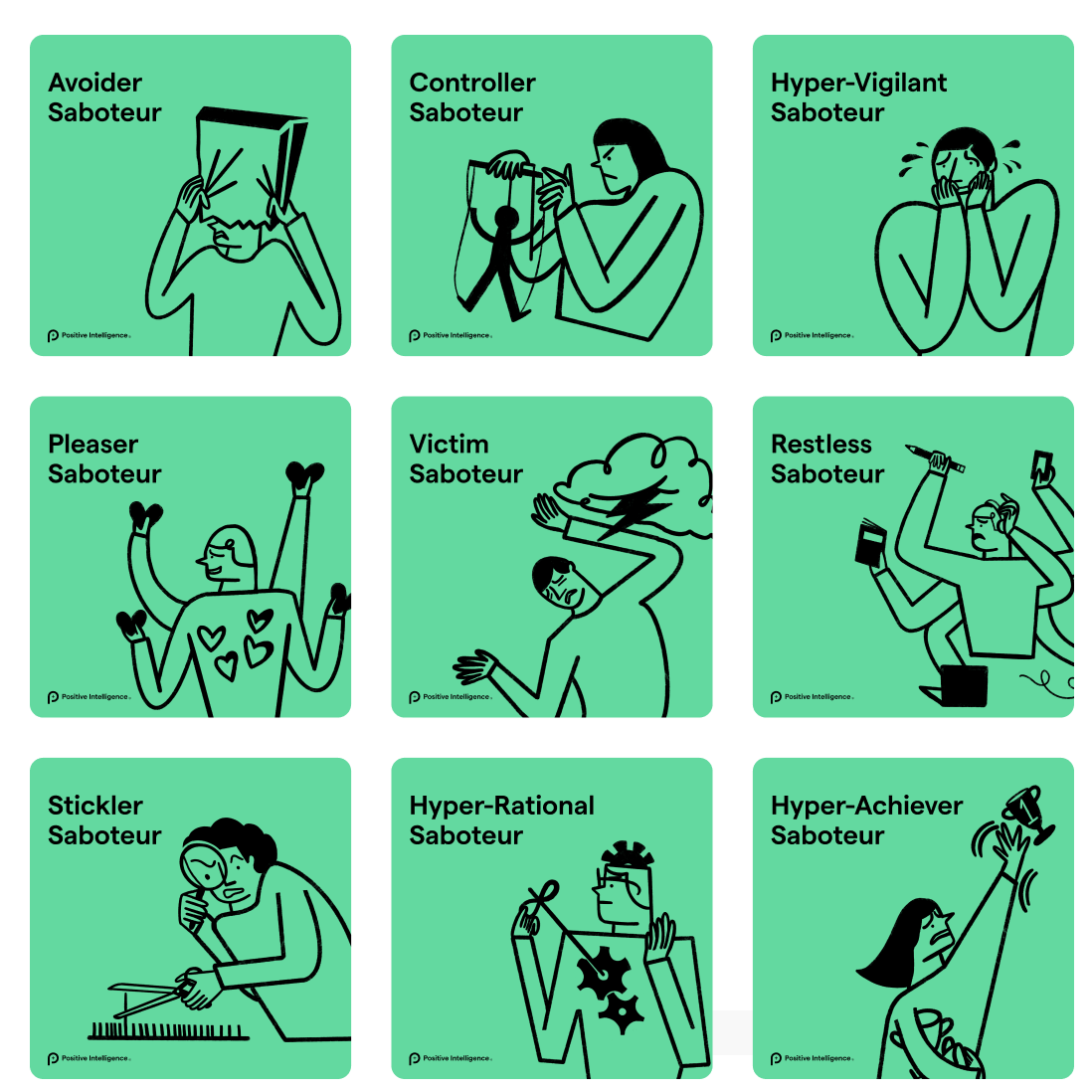
When people feel stressed, uncertain, or under threat, the mind defaults to automatic survival patterns called Saboteurs. These patterns were developed to protect us — but during change, they often undermine performance, wellbeing, and relationships.
Under pressure, Saboteurs typically show up as:
Judge → increased criticism of self, others, and circumstances
Avoider → avoiding difficult conversations or decisions
Controller → gripping tighter, struggling to trust others
Hyper-Achiever → overworking and tying self-worth to results, leading to burnout
These patterns increase stress and resistance, slowing change adoption.
The alternative is the Sage — the part of the brain that responds with calm, empathy, curiosity, perspective, and clear decision-making, even under pressure.
Mental fitness training strengthens the Sage and reduces the influence of Saboteurs.
That shift — not the absence of pressure — is what enables successful change adoption.
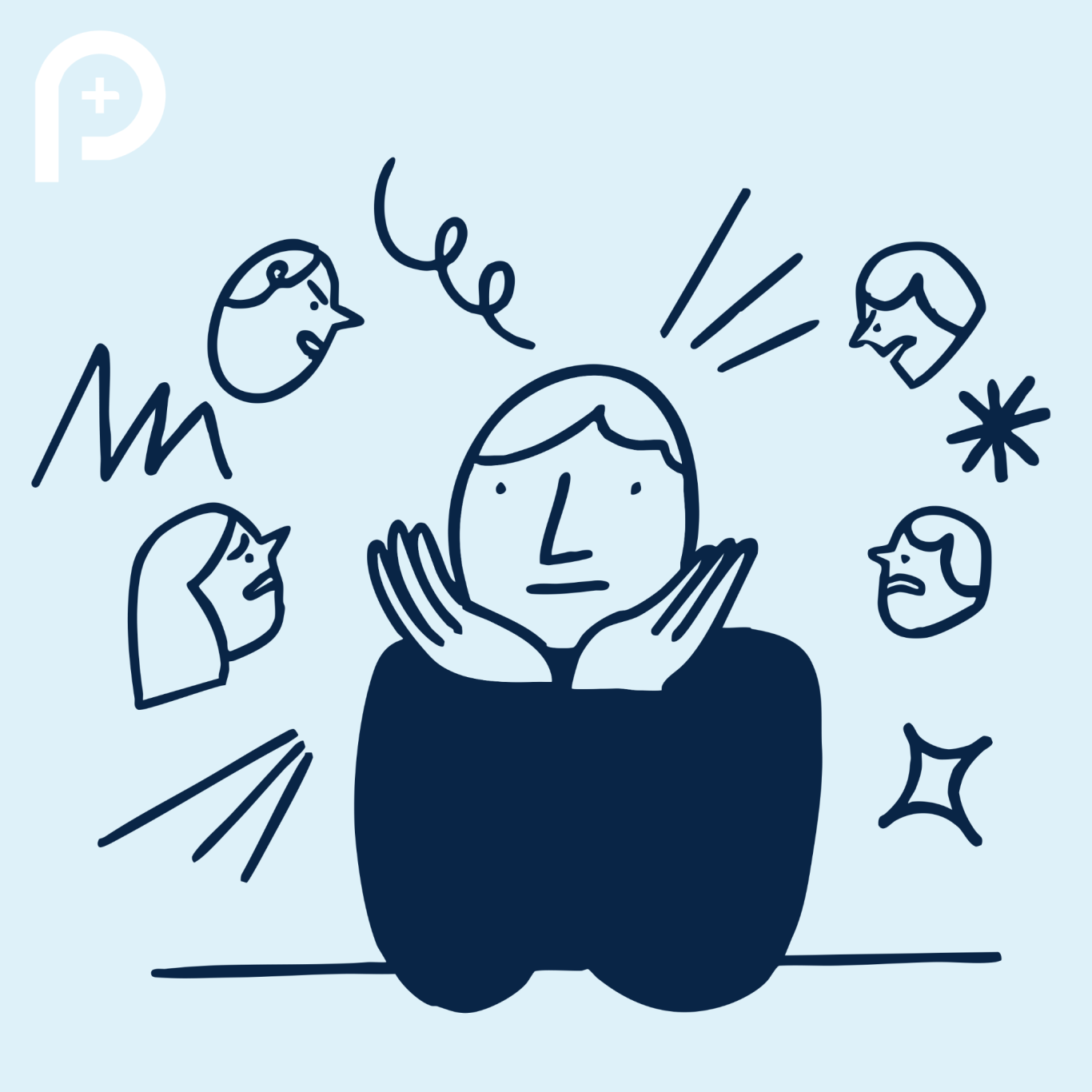
Curious what patterns show up
for you under pressure?
You can explore this through
a short Saboteur Assessment.
🧠 It’s revealing, insightful, and usually sparks some big “aha” moments around the self-sabotaging mental patterns that may be quietly holding you back.
MENTAL FITNESS is the discipline
→ and it's trainable
At the centre of this approach is Positive Intelligence® (PQ) — a science-backed mental fitness framework grounded in neuroscience and habit formation.
Mental fitness strengthens the brain’s ability to:
→ regulate stress and emotion in real time
→ respond thoughtfully rather than reactively
→ build new habits through small, consistent daily practices
This means change is no longer dependent on motivation or willpower.
It becomes repeatable, sustainable capability.
the change adoption process
powered by pq
Rather than treating change as a project to be managed, this approach focuses on how change is adopted by people over time.
Throughout all five steps, mental fitness enables leaders and teams to respond with clarity rather than reactivity.
Step
1.
Create a compelling, shared vision
Change is often driven by data, but humans are not.
Leaders and teams align around why the change matters — not just strategically, but humanly.
Step
2.
Connect the collective vision with the individual “bigger why”
Resistance reduces when people understand what the change protects, enables, or unlocks for them personally.
Step
3.
Create a roadmap for change
Short-term priorities prevent overwhelm and build confidence, belief, and momentum.
Step
4.
Enable the flywheel effect
Early wins are reinforced through recognition, social proof, and shared ownership — accelerating adoption naturally.
Step
5.
Anticipate and normalise the change adoption curve
Early adopters are empowered, hesitation is expected, and resistance is addressed without judgement or force.
HOW TO BUILD AND SUSTAIN MENTALLY FIT MINDS FOR TEAMS, LEADERS AND HIGH PERFORMANCE CULTURES OF THE FUTURE
Once adoption begins, momentum is sustained through a reinforcing system:
🧠 Mental Fitness (PQ) — at the centre
The foundation enabling calm, clarity, and adaptability under pressure.
Effective Leadership
Leaders regulate emotion, make clear decisions, and role-model stability.
Performance & Wellbeing
People sustain focus and energy without burning out during prolonged change.
PQ-Powered Teams
Trust, accountability, and healthy conflict embed change into everyday ways of working.
Over time, organisations build change capability, not just change completion.
WHO THIS IS FOR
This work is designed for small to mid-sized businesses navigating real change, including:
→ acquisitions and integrations
→ restructures or leadership transitions
→ growth-driven complexity
It is particularly relevant for founders, C-suite, and leadership teams who want change to strengthen the organisation — not fracture it.
It’s not a quick fix.
It’s about building internal capability.
what shifts over time
Organisations applying this approach typically report:
→ calmer, more grounded leadership under pressure
→ reduced resistance and disengagement
→ improved trust, communication, and accountability
→ sustained performance without the same levels of stress or burnout
→ increased confidence navigating future change
Change becomes something the organisation can handle repeatedly, not fear.
TO BE HUMAN IS TO BE CURIOUS
If you’re navigating change and thinking,
“This explains more than I expected…”
then it’s worth a conversation.